October 27, 2026
Waiting in Queues: 8 Ways to Make the Wait Feel Shorter
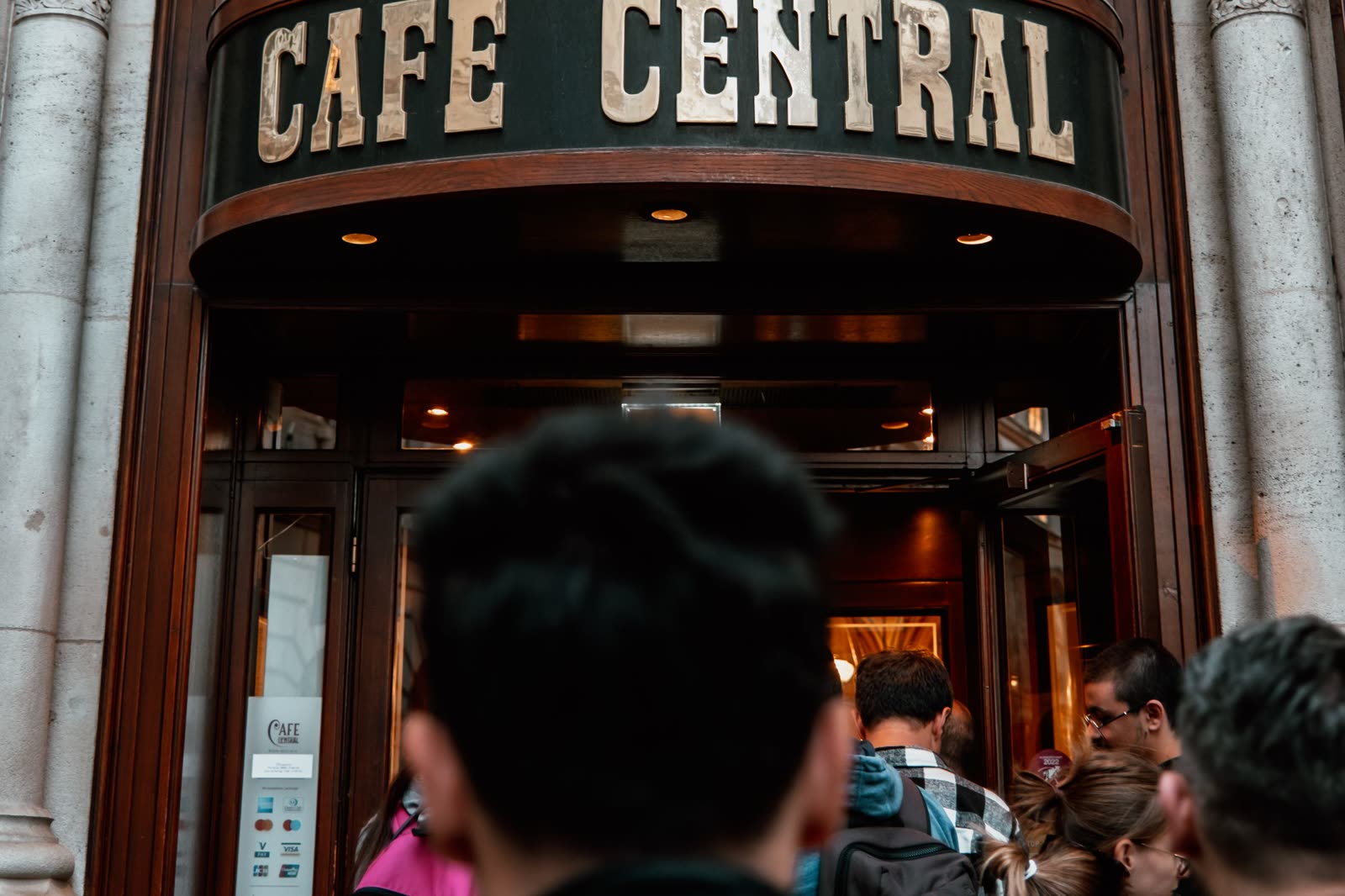
Waiting in queues feels longer than the clock when the person has nothing to do, does not know how long it will be, cannot see that the order is fair, or worries they have been forgotten. David Maister's 1985 chapter "The Psychology of Waiting Lines," in *The Service Encounter*, lists eight reasons. A host can change four of them tonight: a finite quote, a visible order, a way to leave the doorway, and a message when the table is ready. The other four are how the room is run: software does not make the meal more valuable, pair strangers so they are not waiting alone, or cook faster.
TL;DR
1. Give the guest something to do that belongs to the meal, or let them leave the door. 2. Put their name on the list as they arrive, so the wait is no longer "before service." 3. Tell them they have not been forgotten. 4. Give a finite wait instead of "soon." 5. Say why the line is slow. 6. Keep one visible order, and explain it when a smaller party is seated first. 7. Accept that a valuable meal earns a longer wait. Do not fake that value. 8. Do not leave a solo guest standing alone at the door.
This is for the owner or the host of one independent restaurant in the United States. The door is backed up, and a guest says the wait felt longer than the number you gave them.
The eight ways below are Maister's propositions, in his order. They are not a new study. Queue psychology is the name for this, the psychology of waiting, and it is not the math of how long a line lasts. That math is a different subject.
Why waiting in a queue feels longer than the clock
The clock and the feeling are two different numbers. A guest can stand at the door for ten minutes and swear it was twenty, or sit with a menu and barely notice the same ten. Waiting in the queue feels long when the minutes are empty, unknown, or unfair.
Maister wrote the eight propositions in 1985 for people who run the line, not for a textbook on queues. The sections below stay on the host stand. A clinic example and an airline example show up once, as his, and then the page comes back to Friday night.
1. Give the wait something to do
Empty time is what drags. Maister's restaurant examples are a menu in the hand and a drink at the bar while the table is still out. Both belong to the meal that is coming. Hold music on a phone wait often fails that test. It fills the minute and has nothing to do with the service, so it can annoy.
Hand menus to the parties at the door, or let them leave the doorway once the name is down. A join link, including a QR code, puts them on the list without parking them in the lobby. Do not plan on a lobby TV, a game, or a playlist. Those are not part of this.
2. Start the visit before the table is ready
The wait before anyone has acknowledged the party feels longer than a wait after service has started, even when the clock says otherwise. People fear they have been forgotten. Maister's picture is a server stopping at a seated table to say they will be back after the next one. The meal has not started. The guest has.
He also describes a walk-in clinic that had a nurse write the name and the complaint before a doctor was free. Time to a clinician did not change. Patients still said the wait felt shorter, because someone had started with them.
At your door, the same move is adding the name as the party arrives. That is the start. It does not seat them sooner, and it does not take the order.
3. Take away the worry they were forgotten
Anxiety stretches the same wait. Maister's everyday version is the supermarket line: you picked one, and now you are sure the other one is moving. At a host stand the worry is simpler. Did they lose the name?
Keep one list, and send a message when the table is ready. One list per location is the whole line. On Free, the host sends the WhatsApp. On Pro, WhatsApp goes out on its own, including the guest's personal link and the ready message. Two-way SMS is not available yet. It is marked Coming Soon on Pro. Do not plan Friday around a text.
4. Give a finite wait
"It shouldn't be much longer" is not a quote. A finite number is. Maister's point is that an unknown wait feels longer than a known one, even when the known one is longer on the clock. He also reports that some restaurants quote a longer wait than they expect, so an early seat feels better than a late one. That is his report of a practice. It is not a padding rule, and there is no number of extra minutes to add.
When you add the party yourself, you type the quoted wait. The field takes a whole number from 0 to 240 minutes. That number is your quote.
When a guest joins from the link, the confirmation says the typical wait is about X minutes. X is today's average for parties already seated, rounded, and capped at 240. If that average rounds to under 1 minute, X is 15. That is what happens when nobody has been seated yet today. Fifteen here is a fallback, not a researched average, and not a forecast of the remaining wait.
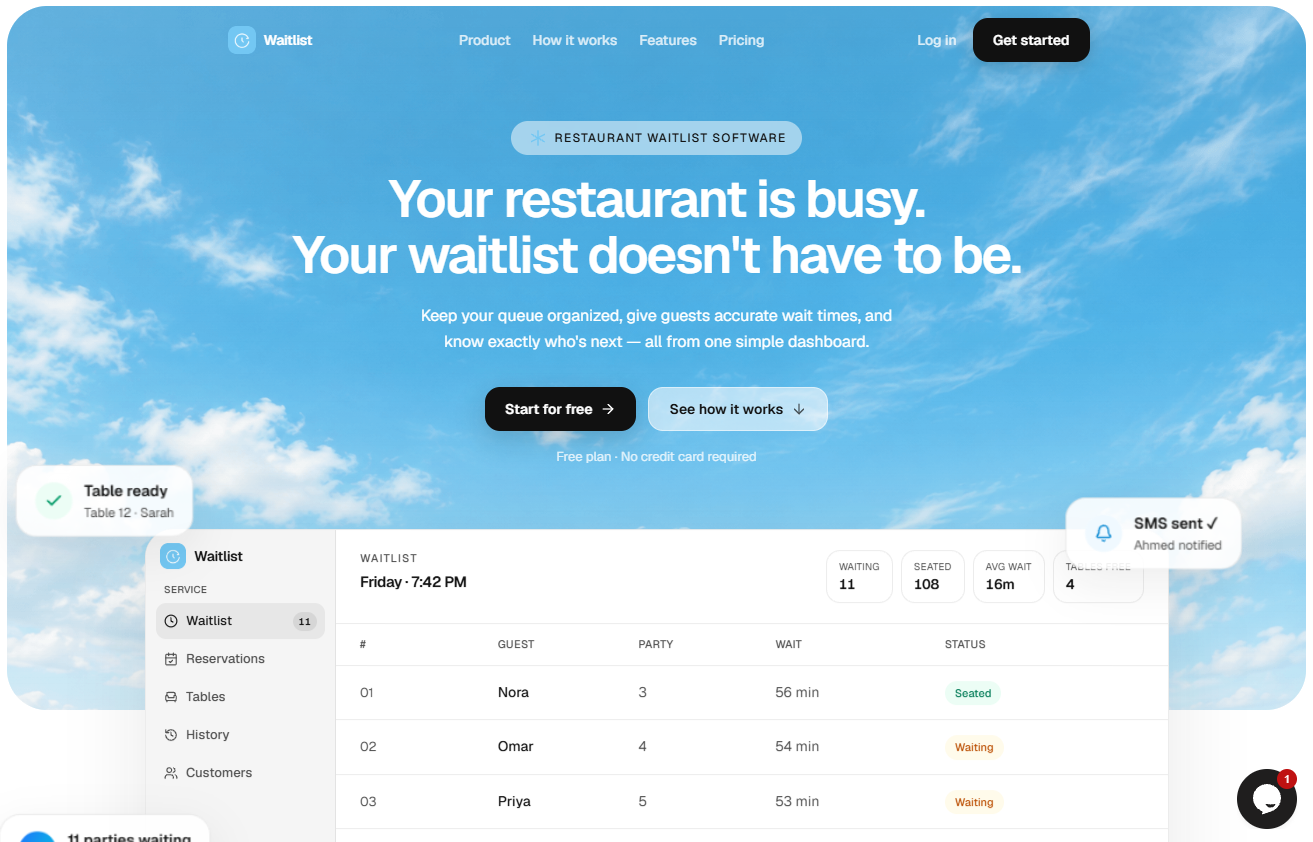
The public board shows their place in line, how many parties are waiting, that same average, and shortened names in order. It does not list each party's quoted wait. The product does not predict wait times.
The host list on Waitlist is where the typed quote sits. Start on Free for one location. The current numbers are on pricing.
5. Say why the line is slow
A wait with no reason feels longer than the same wait with one. Maister uses airline announcements as the pattern: the pilot says why the plane is sitting, instead of saying nothing. Silence reads as neglect. Staff who look idle in front of the line make it worse, because the guest can see people who seem free to serve.
If a large party or a slow turn is the cause, say so out loud. A note on the party is for you. Preset notes are not available yet. The guest is not sent that explanation.
6. Make the order look fair
Maister, citing Sasser, Olsen, and Wyckoff (1979), says one of the ordinary restaurant irritants is watching a later arrival get seated first. First come, first served works when that is the rule you are actually using.
A dining room often is not using it. A two-top opens while a party of six is still waiting, and you seat the two because that is the table you have. Guests resent that unless you say the table was the reason. Splitting the door into two lines does not fix it. You still have one room.
Keep one ordered list. The public board shows a position number and shortened names, so the order is visible. On Pro, table management matches a party to a table. It does not enforce first come, first served, and it does not run a second queue at the same address.
7. Treat a valuable meal as worth a longer wait
People will wait longer for a meal they came for than for a quick counter. Maister's contrast is a serious restaurant against a greasy spoon. You cannot edit that in software. A neat list does not make the meal worth more, and neither do reviews or awards you might want to hang on the wait.
This one is a limit. If guests are walking off a short quote, the feeling of the wait is not the whole problem. The meal they think they are waiting for is.
8. Don't leave a solo guest alone at the door
Waiting alone feels longer than waiting with other people. Maister points to Disneyland as a place where the group wait becomes part of the outing. That is his example of company, not a claim about posted times.
You cannot pair strangers at the door and call it hospitality. A solo guest can leave the doorway the same way a couple can, once the name is on the list. The guest with no phone is the exception: add them and call the name, because a message has nowhere to go. The steps for letting everyone else leave the lobby are in how to shorten the actual wait. This page does not rebuild them.
What the host can change on Friday
Principle | What the guest feels | What the host does tonight | What Waitlist does |
|---|---|---|---|
Occupied time | Empty minutes drag | Hand menus, or let them leave the doorway | A join link, including a QR code, so they are on the list without standing in the lobby. No TV, game, or playlist. |
Getting started | The wait before anyone acknowledges them feels longest | Add the name as they arrive | The party is on the list. It does not seat them faster or take the order. |
Anxiety | They worry the name was lost | One list, and a message when the table is ready | One list per location. Free: you send the WhatsApp. Pro: WhatsApp goes out on its own, with the personal link and the ready message. SMS is not available. |
Uncertain waits | "Soon" feels longer than a number | Say a finite quote. You may quote longer than you expect. There is no extra-minute formula. | You type 0 to 240 minutes. A guest who joins on the link sees today's seated average, rounded and capped at 240, or 15 minutes if that average rounds to under 1 minute. The 15 is a fallback, not a forecast. The public board shows place in line, parties waiting, that average, and shortened names. It does not show each quote. |
Unexplained waits | Silence feels like neglect | Say why, out loud, if a large party or a slow turn is the cause | A note on the party is for you. Preset notes are not available yet. The guest is not sent the explanation. |
Unfair waits | A later arrival seated first feels like a cut | Keep one order. If you seat a two-top while a six-top waits, say the table was the reason | One ordered list and a position number. Pro can match a party to a table. It does not force first come, first served, and it does not open a second line. |
Value of the service | A quick counter loses people faster than a meal they came for | Do not pretend the list makes the meal worth more | It does not change this. |
Solo waits | Waiting alone drags | Let them leave the door. Do not try to pair strangers. Call the name if they have no phone | It does not change the fact that they are alone. The join link is the same one as the first row. |
A shorter feeling is not a shorter meal
A quote the guest believes, a visible order, and a message when the table is ready change how the door feels. They do not cook, fire a ticket, or close the check. If the long wait is the pass or the payment, shorten the actual wait on those terms. This page stays with the feeling.
What it costs to keep the quote and the message
Free is $0. One location, the digital waitlist, and manual WhatsApp, up to 50 parties a day. No credit card.
Pro is $30 a month, or $24 a month billed annually. The annual price is 20% off $30. It removes the daily party cap. It adds automatic WhatsApp, with the personal link and the ready message, plus analytics for walk-ins, average wait, peak times, no-shows, and a CSV. It also adds unlimited locations, reservations, table management, and priority support. Areas and tables on Pro are the dining room, not a second line.
Cancel from Settings. Pro lasts through the period already paid, then the account is Free. There is no multi-year contract. It runs in the browser on iOS, Android, Windows, and macOS. No hardware is required. Priority support is Pro. The address is support@waitlist.best.
Start on Free and run one Friday on a single list. What that list is for, and when Pro is the right switch, is on restaurant waitlist software. The prices sit on pricing.
FAQ
Why does waiting in a queue feel longer than it is?
The clock is only half of it. A wait with nothing to do, no end time, no visible order, or a fear of being forgotten feels longer than the same number of minutes with those settled.
What did Maister say about waiting in queues?
In the 1985 chapter "The Psychology of Waiting Lines," he gave eight propositions, in this order: occupied time feels shorter, people want to get started, anxiety makes waits seem longer, an uncertain wait feels longer than a known one, an unexplained wait feels longer than an explained one, an unfair wait feels longer than a fair one, people wait longer for a service they value, and waiting alone feels longer than waiting in a group.
Does music make waiting in a queue feel shorter?
Not when it has nothing to do with the meal. Maister notes that hold music can annoy for that reason. A menu works better, because the guest is already in the visit.
Should a host quote a longer wait than they expect?
Maister reports that some restaurants do, so being seated early feels better. You may type a longer number. Waitlist does not add any padding, and there is no recommended number of extra minutes.
Is a restaurant waitlist first come, first served?
Only if that is the rule you actually use. Seating a two-top while a party of six is still waiting is not first come, first served. Guests resent it unless you say the table was the reason. Waitlist keeps one ordered list. It does not enforce first come, first served, and it does not run a second queue at the same address.
Can guests see their place in line?
Yes. On the public board they see their number, how many parties are waiting, today's average wait, and shortened names in order. They do not see each party's quoted wait.